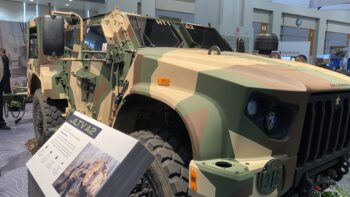
AM General CEO defends JLTV A2 program after lawmakers’ funding threat
"The JLTV A2 transition proved especially challenging due to the unforeseen condition of the technical baseline we inherited," John Chadbourne, said in a release Friday.
"The JLTV A2 transition proved especially challenging due to the unforeseen condition of the technical baseline we inherited," John Chadbourne, said in a release Friday.
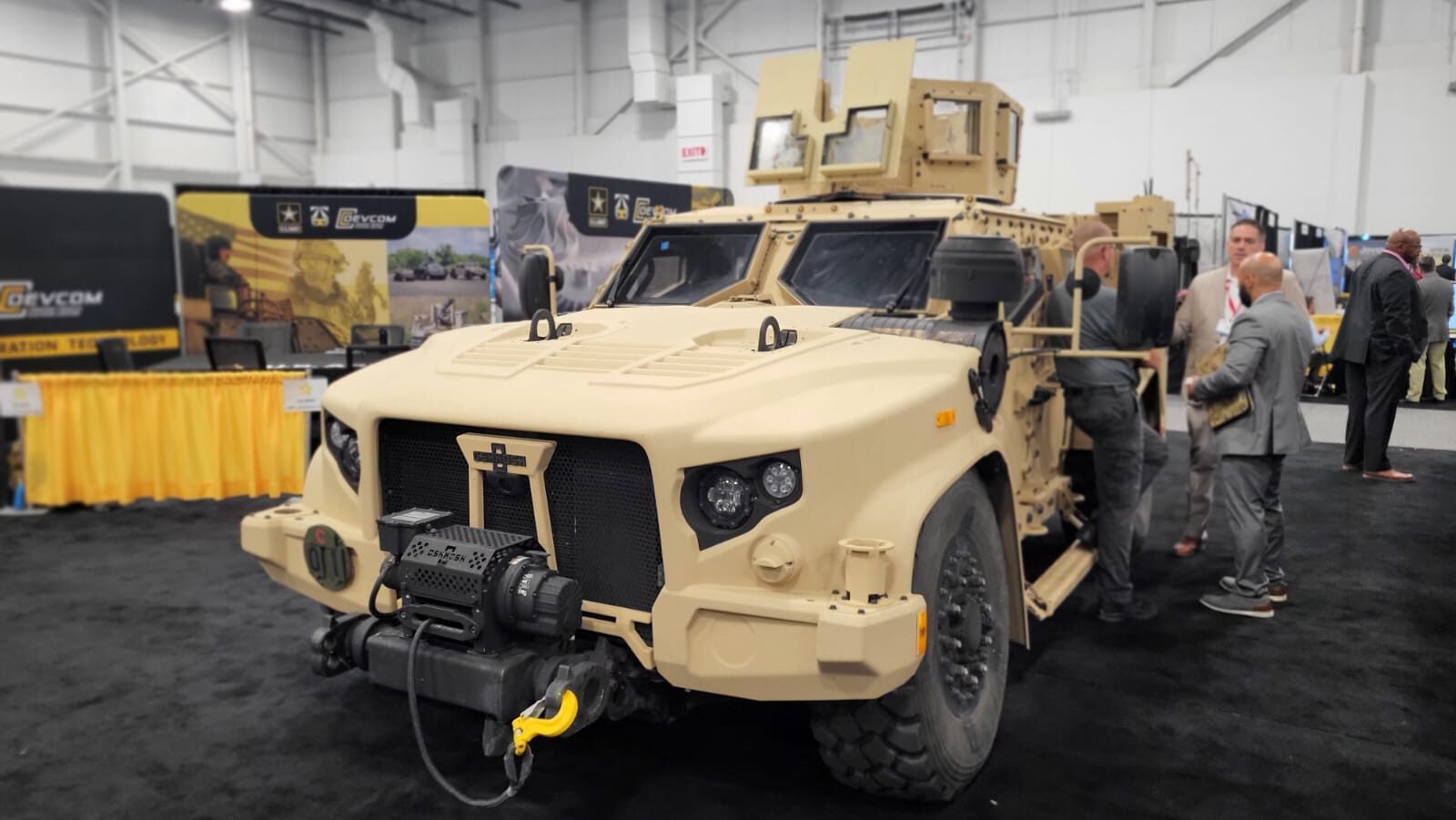
The Marine Corps didn’t provide specifics on why the service was possibly seeking another JLTV supplier, but told Breaking Defense in a statement that it "continuously evaluates acquisition options to ensure it can meet approved JLTV requirements, preserve readiness, and reduce fielding risk.”

Architecture that linked sensors, C2, RF effects, and lasers into a distributed c-UAS kill chain.
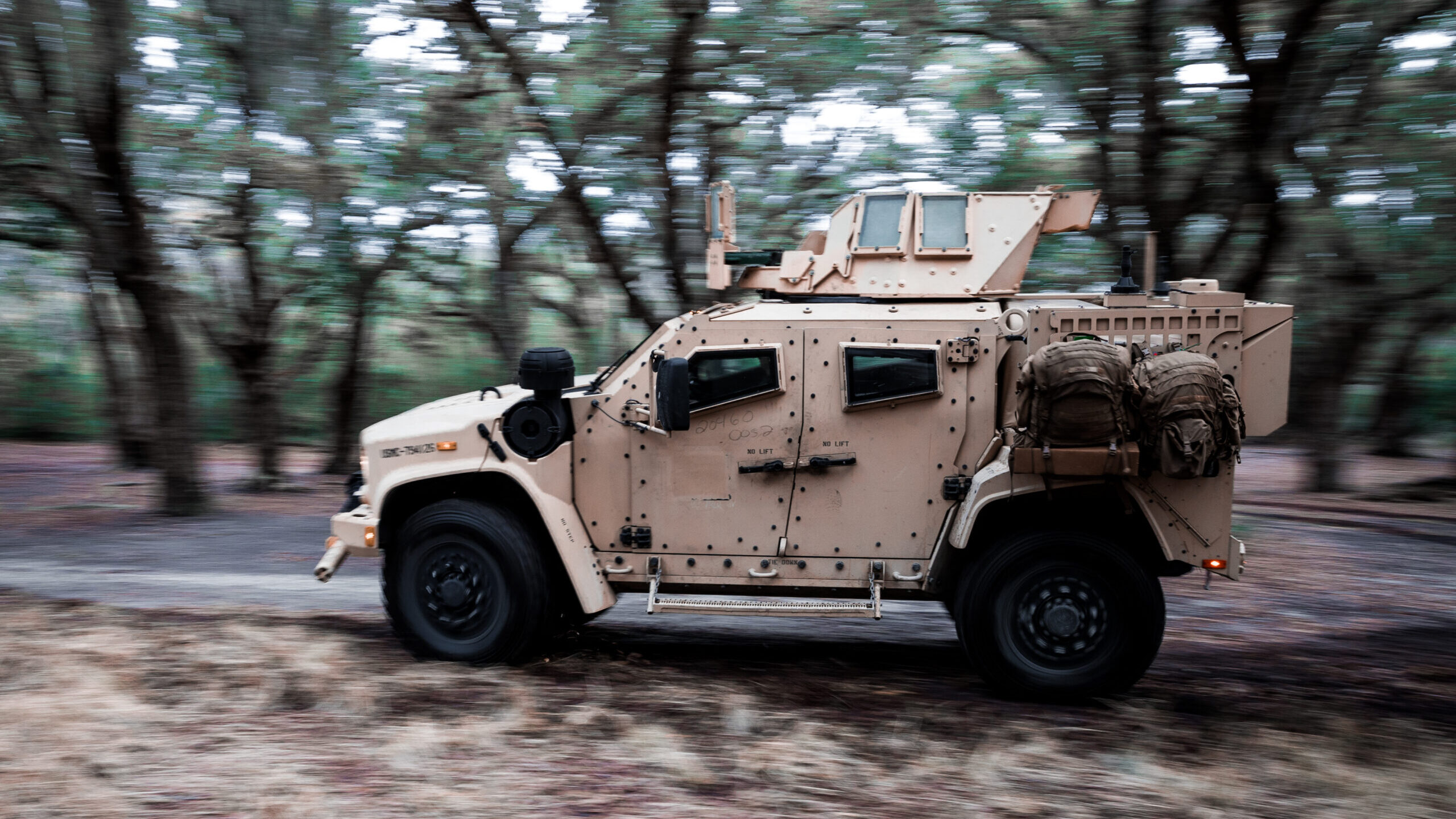
Last year Forterra was also awarded a contract to integrate its autonomy stack, dubbed AutoDrive, into the JLTVs for the ROGUE Fires program.

The team, which includes Forterra and Oshkosh, used the Project Convergence Capstone 5 experiment to fire a Joint Reduced Range Rocket training round that is currently in source selection.
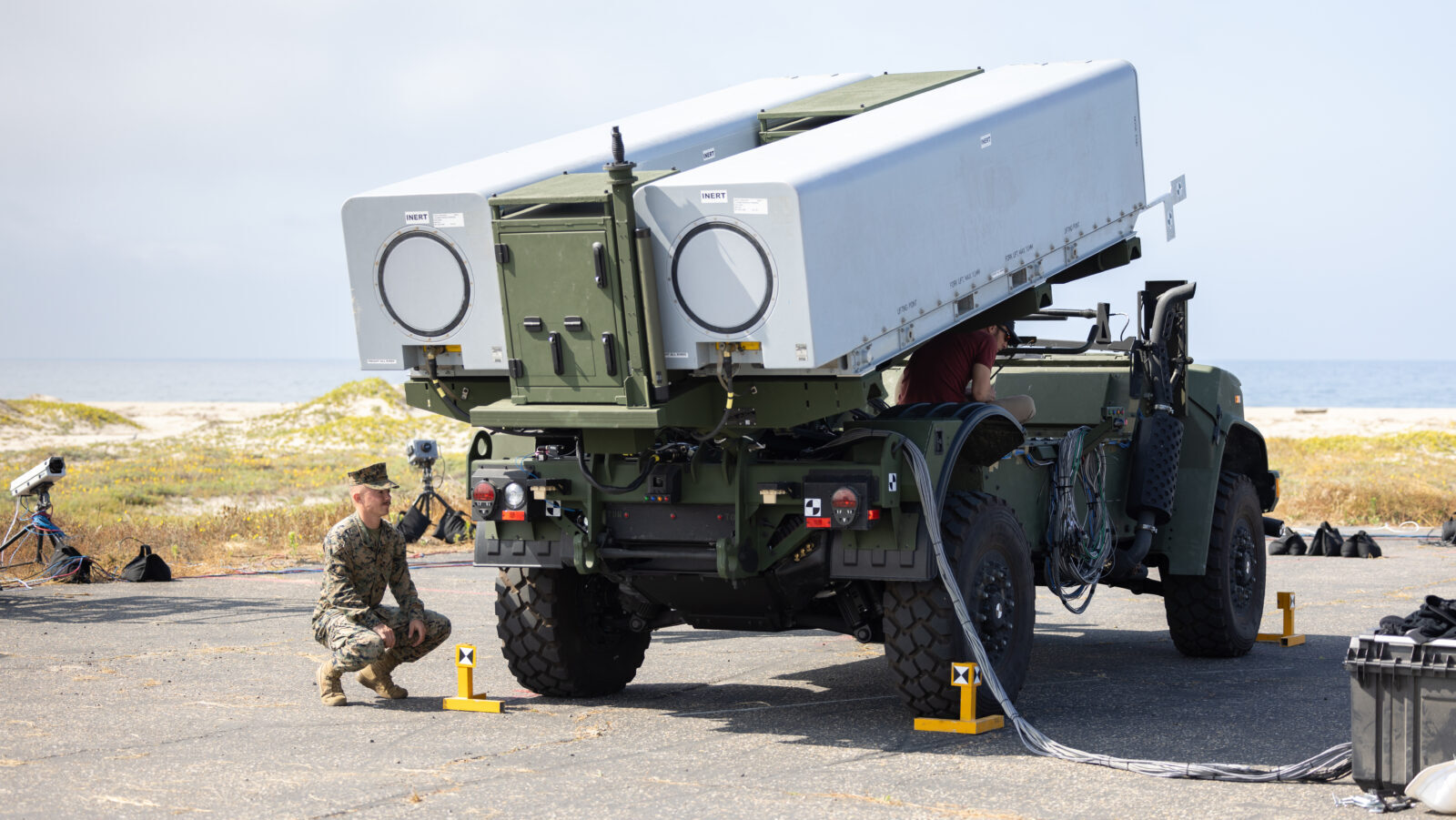
The service is funneling nearly $30 million into the program to add in Forterra’s AutoDrive system into the JLTV-based launcher.
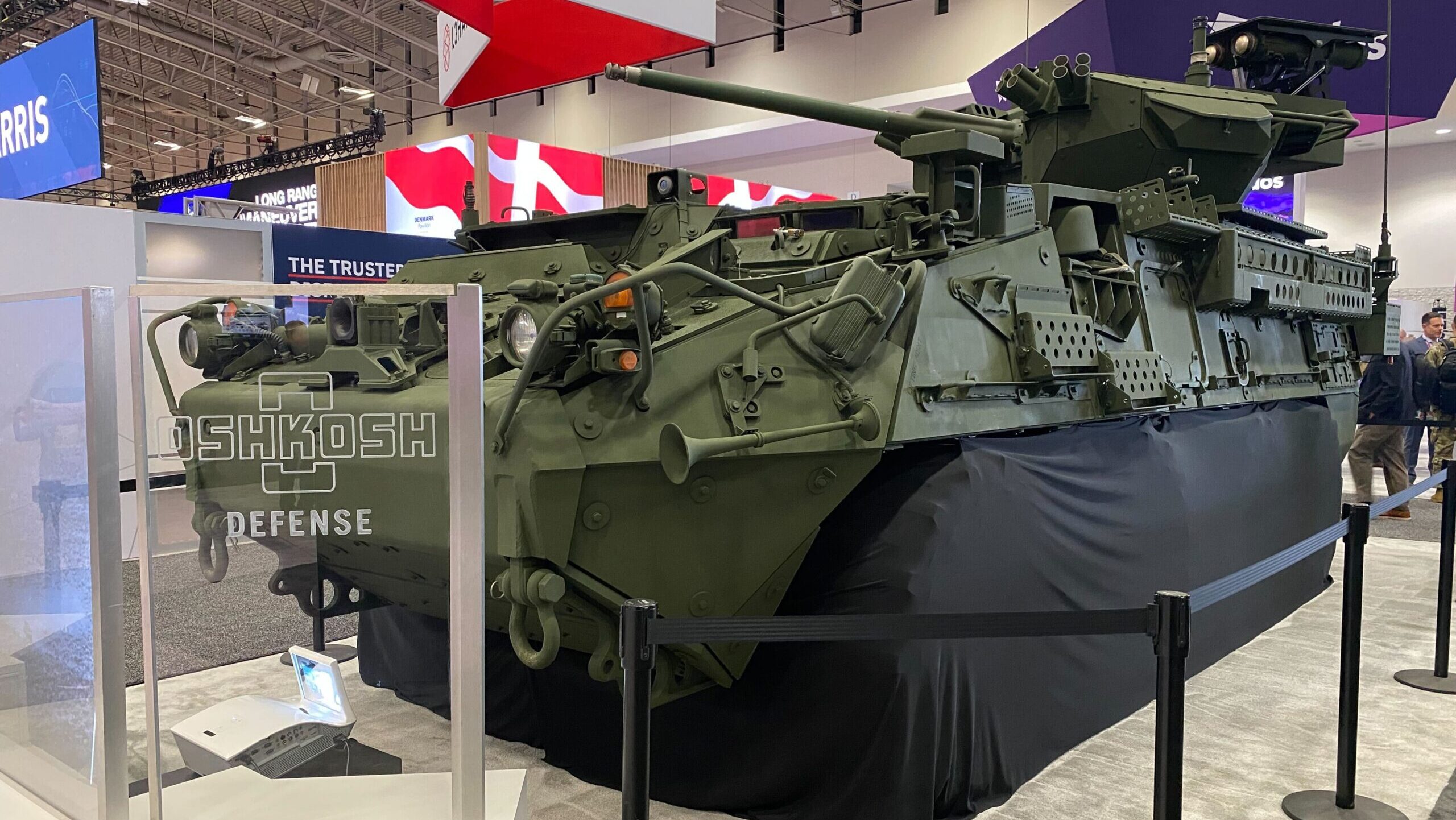
“I want to make it very clear that the turret is not a mission essential system, if the turret was to go down, the vehicle is still mission capable,” said Clifton Boyd, the project manager for the Stryker brigade combat team.

From AI adoption and agentic systems to Zero Trust and cyber resilience, Breaking Defense’s latest eBook brings together key reporting from DoDIIS 2026 on the technologies and strategies shaping the future of defense intelligence.

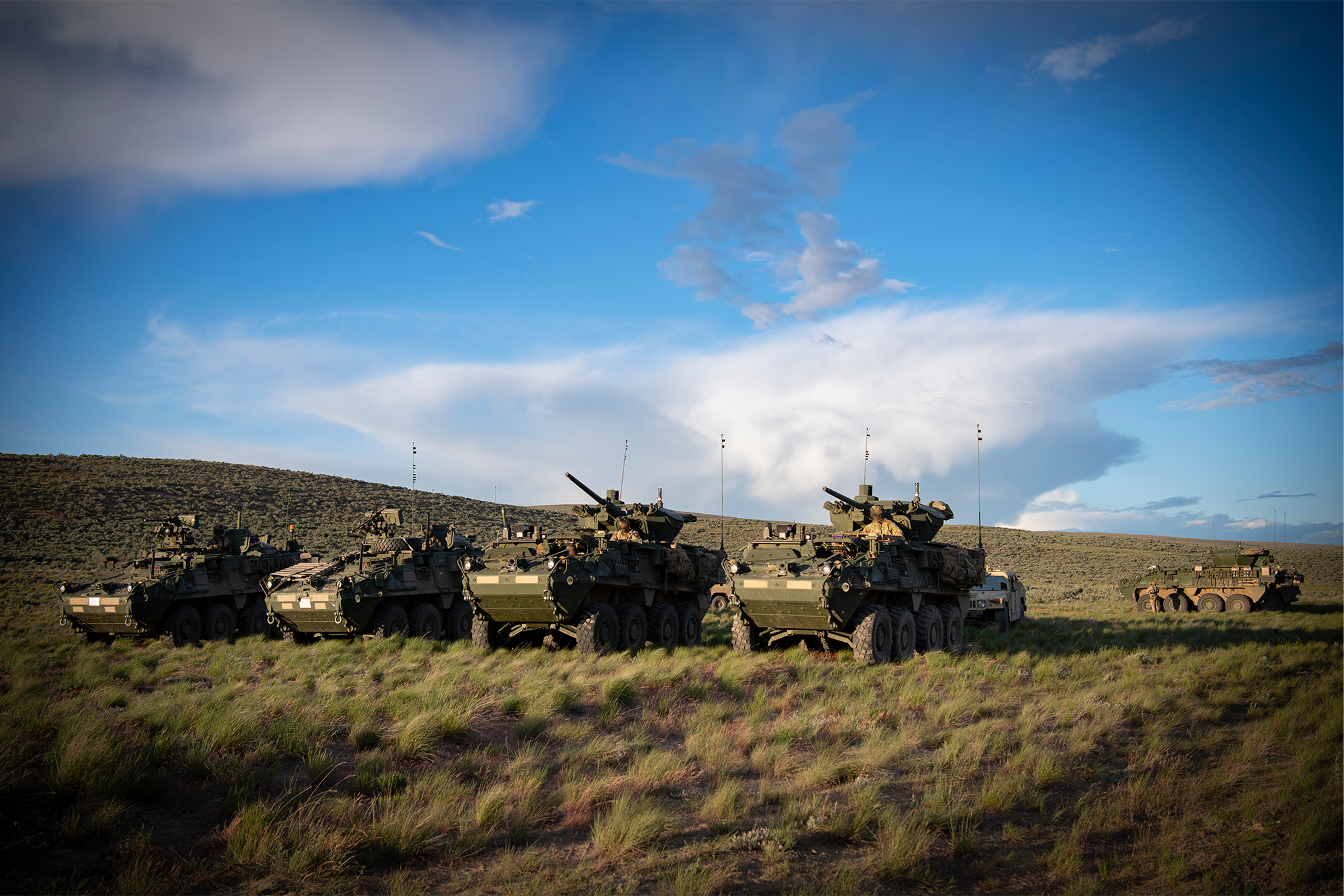
Oshkosh Defense’s Stryker MCWS advances battlefield lethality with soldier-driven design, delivering enhanced firepower and flexibility for the U.S. Army’s modernization efforts.
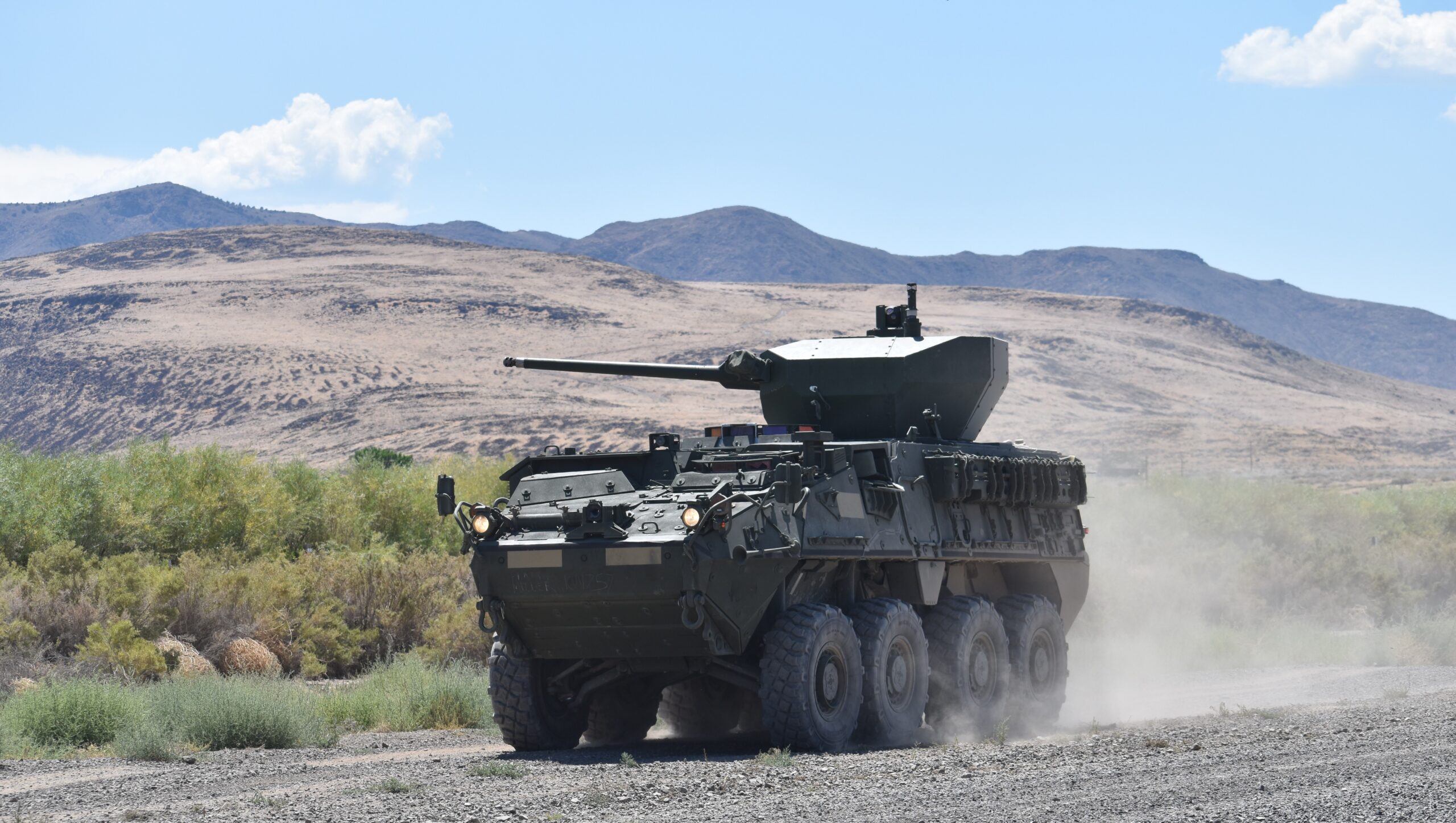
Soldiers will begin receiving the Strykers outfitted with 30mm cannons next fall, or roughly nine months to a year later than initially anticipated.
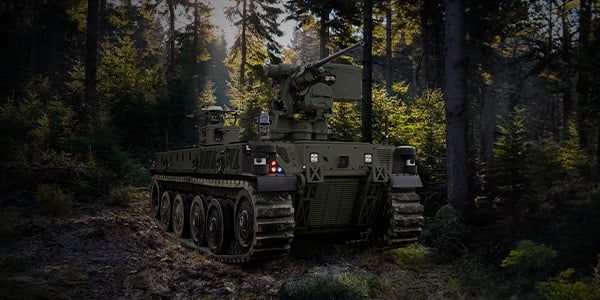
Developed to increase situational awareness, deliver decisive lethality, and provide tactical options in support of multi-domain operations.
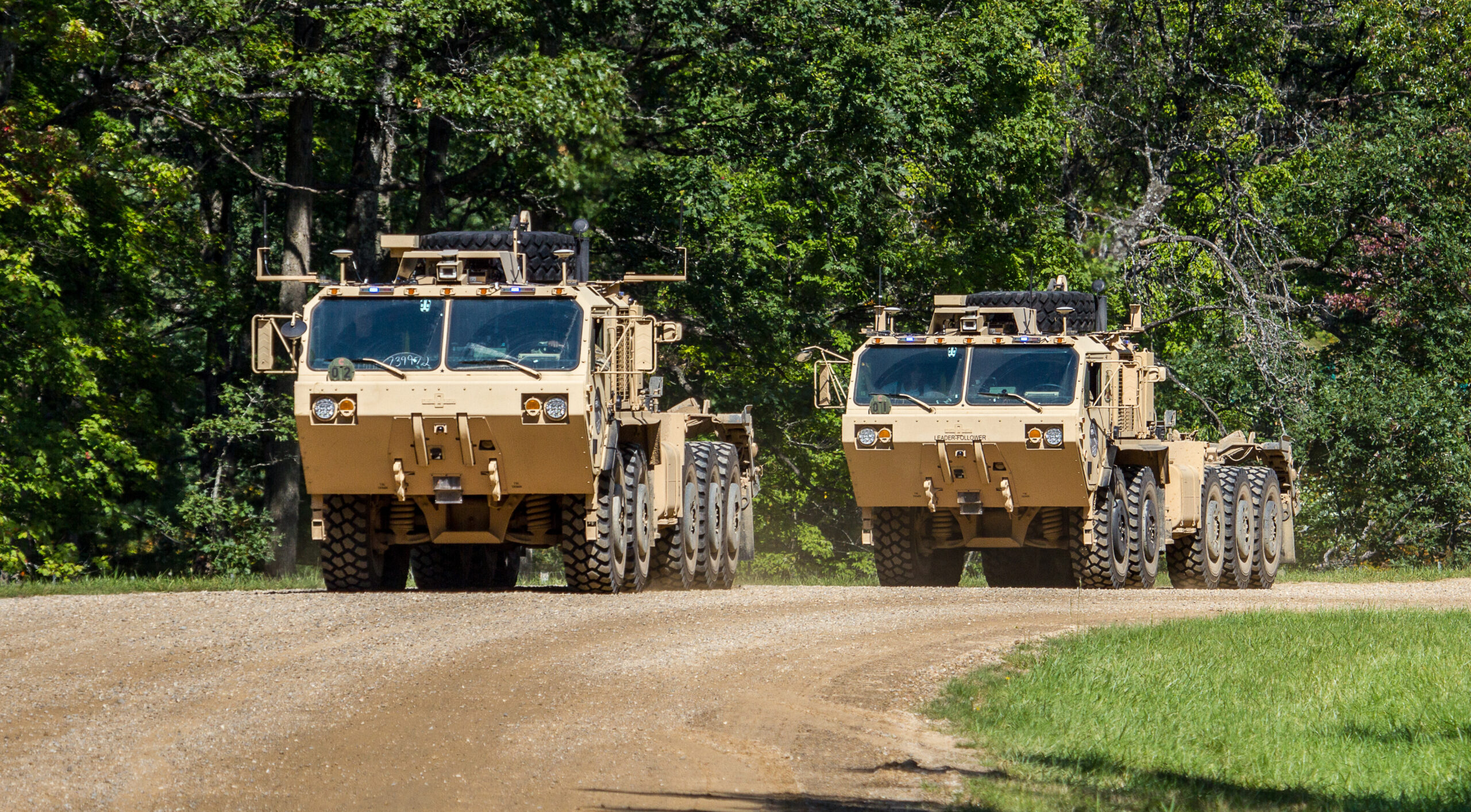
Although the service has awarded contracts to wind down leader-follower development and give the experimental trucks back to soldiers, a separate office has launched a prototyping competition.

Lightning Surge exercises are turning soldier feedback on NGC2 into operational software changes in days, not years.
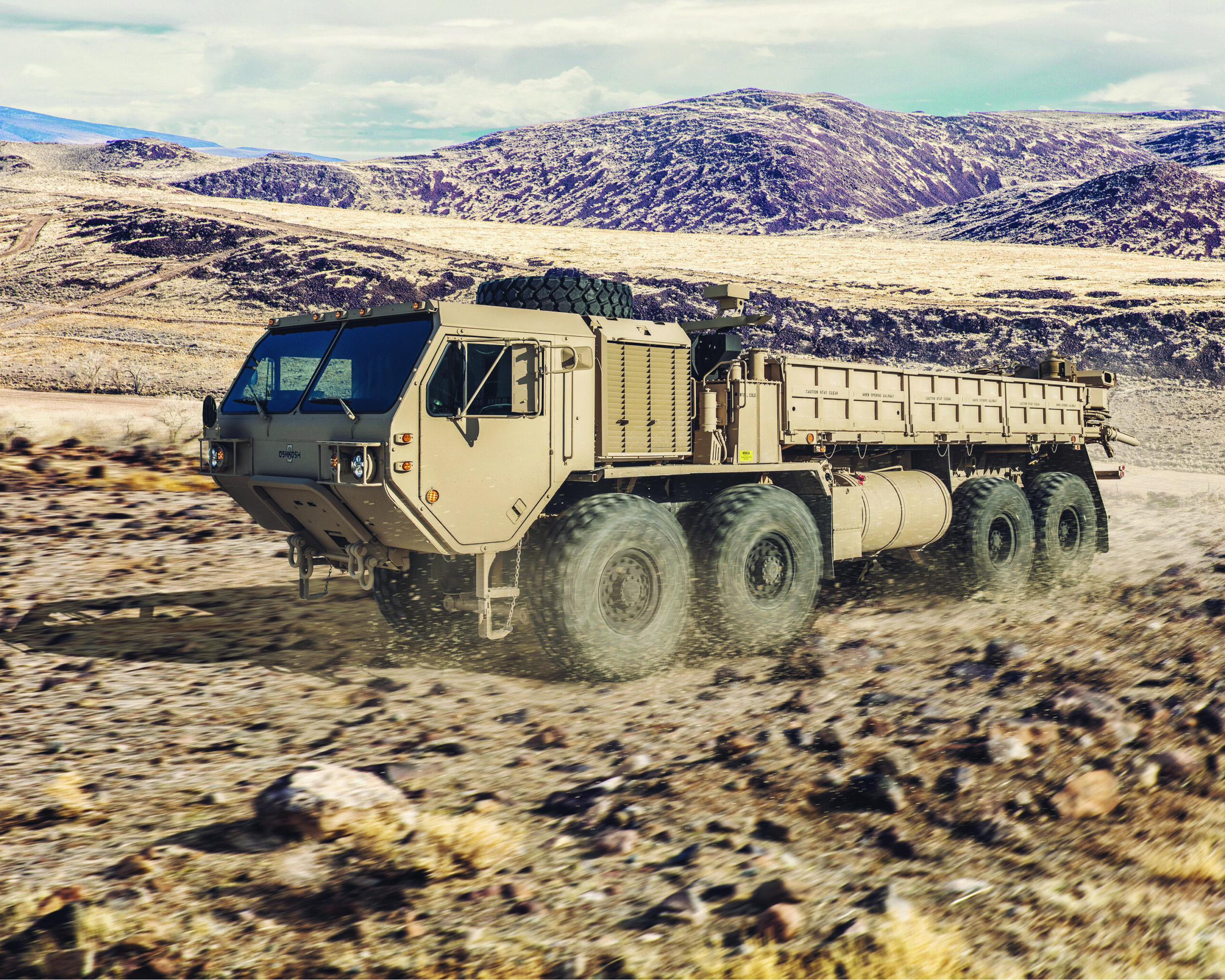
The versatile and proven Oshkosh Defense HEMTT and PLS provide the payload, protection, and digital infrastructure to support virtually any mission – today and for years to come.
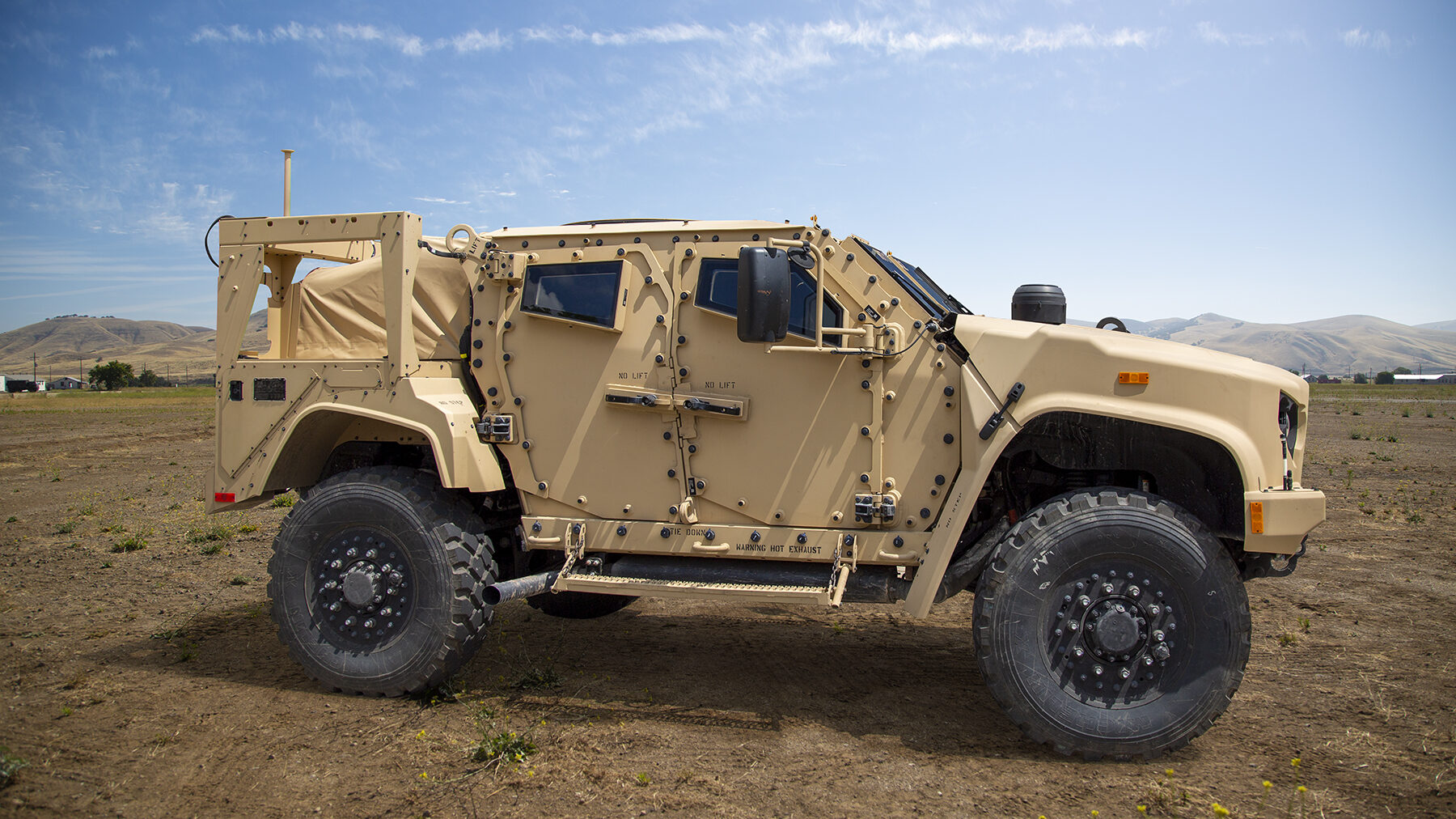
The Government Accountability Office will weigh in on the Army’s multi-billion decision by mid-June.
Meanwhile, the Army awaits word on whether Oshkosh Defense will protest multi-billion-dollar deal, potentially delaying the JLTV timeline.
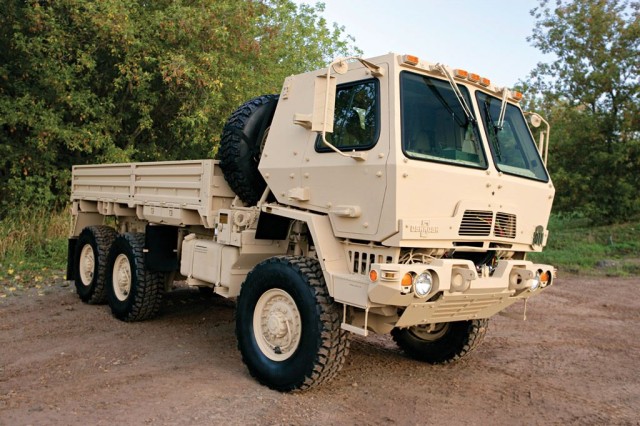
The US company and the Zahid Group are teaming up on tactical wheeled vehicle programs.